
A data center is a specialized facility designed to host various information technology equipment, such as servers, networking equipment, and other data storage media. They are essential as they provide a good environment for the operation and security of IT equipment.
Before the data center starts being functional, rigorous testing is carried out to verify the correct operation of all equipment and systems. Then, the configuration and performance of the data centers are optimized to ensure efficient and reliable operation.

Implementation and operation
After completing testing and optimization, the data center is put into operation and is ready to fulfill its role in managing and protecting the organization’s data. Building a data center is a complex process that requires technical expertise and careful planning to ensure the success and operational efficiency of the IT infrastructure.
Data center models
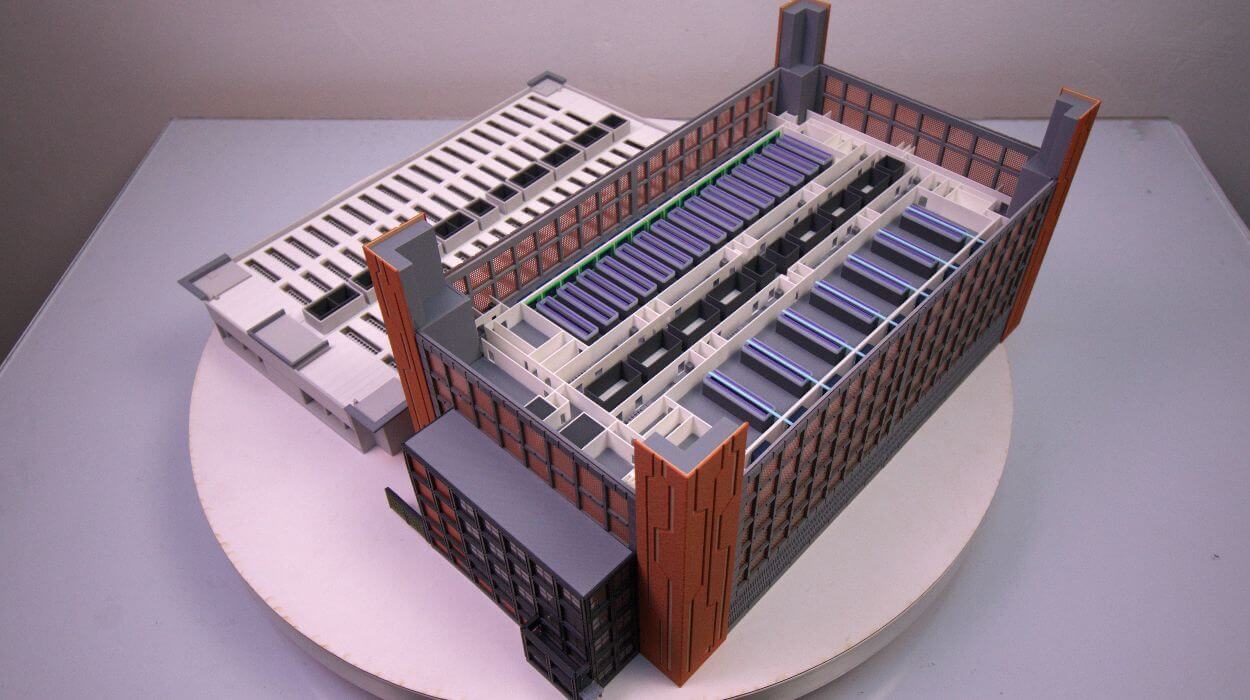
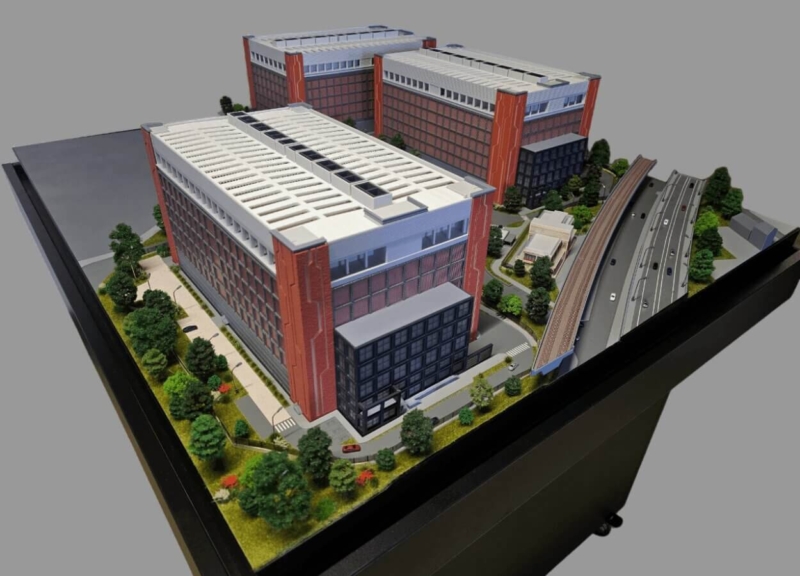
During the planning and design phase of the data center, a model for that data center will also be created. What are these models? They are detailed miniature replicas of the physical infrastructure and IT equipment associated with a data center.
They are used to visualize and plan the layout, design, and operation of a data center before its construction or renovation. They represent a valuable tool in the design and optimization process of data centers, offering several advantages and benefits.

Advantages of data center models
Data center models provide a clear and precise three-dimensional representation of the infrastructure and equipment of a data center, allowing engineers and architects to visualize and analyze the layout and design in detail.


Using models, design teams can try various configurations and arrangements of equipment, identifying optimal solutions to maximize space, efficiency, and performance of data centers. Models make it possible to identify potential issues before the actual construction or implementation of a data center, helping to prevent unforeseen costs and delays.
Scale models serve as powerful communication tools between the different teams involved in the design and implementation of a data center, allowing for better understanding and clarity of project requirements and objectives.
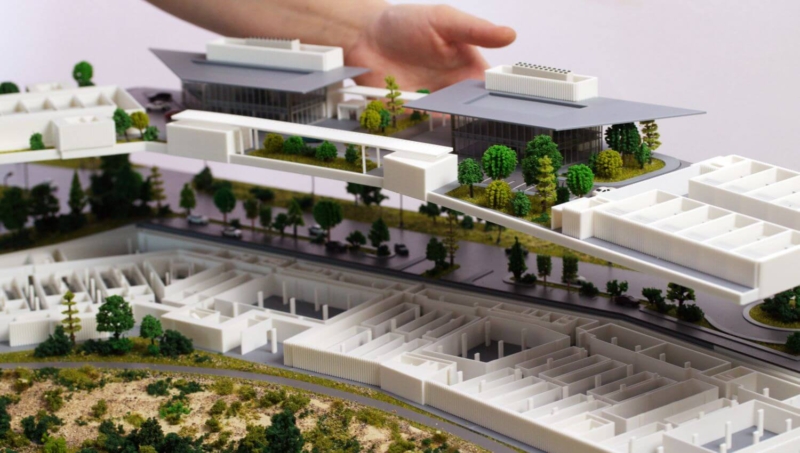
Data center models can be built from various materials, including:
- Plastic: as it is a lightweight and durable material that allows for detailed and realistic models.
- Metal: models made from this material are solid and resistant, and can be used to reproduce the robust structures and equipment of a data center.
- Paper/cardboard: paper or cardboard models can be used to create preliminary or small-scale prototypes before building the final models.
Who can use data center models?
- Architects and designers: They use models to plan and design the layout and design of data centers.
- Engineers and technicians: They use models to analyze and optimize the infrastructure and equipment within a data center.
- Project Managers: They use models to communicate and coordinate construction and implementation projects of data centers.
- Potential customers or investors: They can use models to visualize and understand project proposals for data centers and make informed decisions regarding investments
Therefore, data center models are essential tools in the design, optimization, and communication process of data centers, offering multiple advantages and benefits for all involved in the development of these critical IT infrastructure facilities.

What is a data center & Why is it important?
Data centers are important for companies and organizations across all industries. They are used by small, medium, and large enterprises, as well as governments and non-profit organizations. Essentially, any organization that owns and uses data and IT applications can benefit from a data center.
What are the advantages of a data center?
- Reliability: Data centers are designed to provide a stable infrastructure that ensures continuous availability of IT services.
- Security: Data centers are equipped with advanced security measures, including controlled access, video monitoring, and fire detection systems, to protect data and equipment from external and internal threats.
- Energy efficiency: Data centers are designed to be energy-efficient, using technologies such as optimized cooling and power systems to reduce energy consumption.
- Scalability: They can be expanded or upgraded according to the organization’s needs, allowing for efficient capacity growth or reduction without major disruptions.
As you can see, data centers are fundamental to manage and protect data and IT infrastructure, providing benefits in terms of reliability, security, efficiency, and scalability for organizations of all types.
- Steps to build a data center
Building a data center is not a simple process as it involves several essential steps to ensure optimal operation and safety of the IT infrastructure. The steps are as follows:
- Planning and design
In this stage, a detailed analysis of the organization’s requirements and needs, as well as available resources, is carried out. Then, detailed design of the data centers is developed, including physical infrastructure, IT equipment, security systems, and power and cooling systems.
- Selecting the location
A suitable location for the data center will be chosen, considering factors such as accessibility, security level, availability of power, and cooling resources.
- Building the physical infrastructure
Construction works are initiated to build the building or space dedicated to data centers. These works include installing power supply systems, cooling systems, fire protection systems, and other facilities necessary to ensure continuous operation and equipment security.
- Installation of IT equipment
After the completion of construction works, IT equipment such as servers, data storage systems, networking equipment, and other components needed to manage and process organization’s data will be installed.
We create architectural models that bring complex data center projects to life.


