
Architectural models are among the most important tools for a professional, used by architects, designers, and investors to visualize a proposed project more easily. Conceptual models are the first step that needs to be taken before starting any real estate project, serving as a special way to explore design elements, space, overall aesthetics, and so on.
Conceptual Model
Before building a presentation model and a working design model, many architects start by creating a conceptual model. This is used to provide the designer with an easier and more efficient way to translate abstract ideas into a physical format, allowing all interested parties to better understand and evaluate the proposed plan.

These models offer a three-dimensional representation that is easy to visualize, providing a much clearer image compared to a 3D rendering or a two-dimensional sketch.
- When is a Conceptual Model necessary?
These models play an essential role in the early stages of a real estate project, used by architects to experiment, create different design iterations, and notice the impact of integrated elements on overall aesthetics and functionality.

Conceptual architectural models are a particularly useful tool when presenting an idea to customers or investors.
Because they are easy to understand and visualize, many architects use such models both to communicate their ideas more efficiently and to help stakeholders imagine the final result and provide constructive feedback.
Thanks to them, a dialogue can be initiated between the customer and the designer, exploring different design alternatives, identifying potential issues, and opportunities in advance. Improving the project at the model stage significantly reduces costs in the construction phase, as well as the completion time.
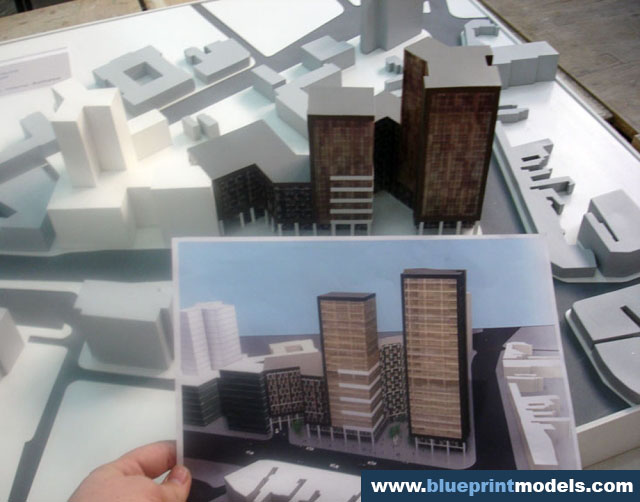
Conceptual architectural models are vital tools that should be part of every designer’s toolkit. They considerably support the design process, being an excellent way for ideas to be visualized, refined, and ultimately communicated.
All stakeholders can benefit significantly from these models, serving as an efficient means for positive dialogue. Therefore, conceptual models play a vital role in the journey of any project towards success.


