
Photovoltaic systems have become increasingly popular recently due to high energy prices. These systems can be installed in various locations thanks to their much smaller size compared to wind turbines, which also require significantly higher maintenance and installation costs.
However, storing the energy produced remains a global issue, as it requires a well-organized space to ensure the facility can store enough energy to power end consumers even during cloudy days or nighttime.
Using a model in this type of project is essential to ensure the planning and optimization of the entire system is as efficient as possible, both from a technological and cost effectiveness point of view.
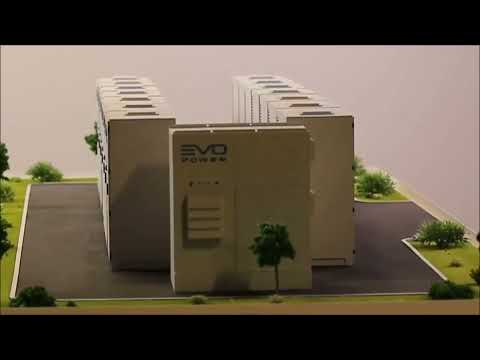
Why is a model necessary for battery energy storage systems?
A model for battery energy storage systems includes not only the batteries themselves but also inverters, controllers, electrical connections, and many other essential components. These components must be arranged as efficiently as possible to allow for easy inspection and maintenance, as well as to create strong connections between systems.
By using a model, the functionality of the system can be tested, including the placement and number of batteries that can be installed. This allows the system to be more easily and cost-effectively adapted to specific needs.

Models for battery energy storage systems – Importance and advantages
- Simulation and testing battery performance
A digital model enables the simulation of battery performance under various conditions, such as outdoor temperatures, load fluctuations, charge-discharge cycles, and more. This helps identify and prevent potential issues. Proper ventilation is also tested to ensure it can handle all conditions, thus avoiding overheating.
- Space optimization and system configuration
Planning the layout, placement, and installation of batteries and inverters is crucial from the very beginning of construction. This approach helps minimize the risk of overheating, improves ventilation, and ensures easy access for maintenance, such as replacing one or more batteries if necessary.
- Reducing long-term costs
Building such a central system involves high initial costs, but a well-designed architectural model can help prevent design errors, ensuring sufficient energy supply for consumers. This, in turn, reduces additional expenses in the long run, resulting in greater financial benefits for users.
For a photovoltaic park to operate at maximum capacity and avoid technical issues, it is essential to use a model during the pre-construction phase. This approach provides a fresh perspective and efficient design without exceeding the available budget.

Performance in a photovoltaic park is critical for increasing energy efficiency in the area where the project will be developed.
The central control system and batteries are the heart of this project, requiring special attention to ensure long-term sustainability and reliable energy supply to third parties, regardless of weather conditions.


