
Architectural models for cultural spaces – museums, parks
Cultural spaces occupy a significant place in society, they represent a valuable link with history, art, nature and cultural heritage. Two prominent models that exemplify the celebration of culture and nature are museums and parks. These spaces play an important role in preserving traditions, stimulating creativity and promoting environmental awareness.
There are several situations in which numerous people do not have the opportunity to visit the most famous parks and museums due to the great distances. Models are the best solution in this regard, they are able to represent the object of interest on a smaller scale so that it can be observed in more detail by the curious ones.
Architectural models have been used for many years in various real estate projects and beyond, having the advantage of exposing and visualizing in a more in-depth manner the complex details of constructions and cultural spaces.

Museums
Museums have been sanctuaries of knowledge for a long time, they represent specially designed places where we can find historical artifacts of substantial importance, works of art and relics that offer a detailed perspective on the past. One of the most significant advantages of museums is their ability to keep cultural heritage alive.
By carefully caring for and preserving priceless objects, they ensure that future generations have access to the rich history of the country, which is an essential tool to be able to learn and observe the gradual devotion of the people up to this point.
Nevertheless, considering that there are countless museums all over the world that are worth exploring, it can be very difficult to visit them both from a time and money point of view. Architectural models come as a rescue for the curious, thus offering the opportunity to study the exhibits in a more interactive and interesting way compared to videos and photos.
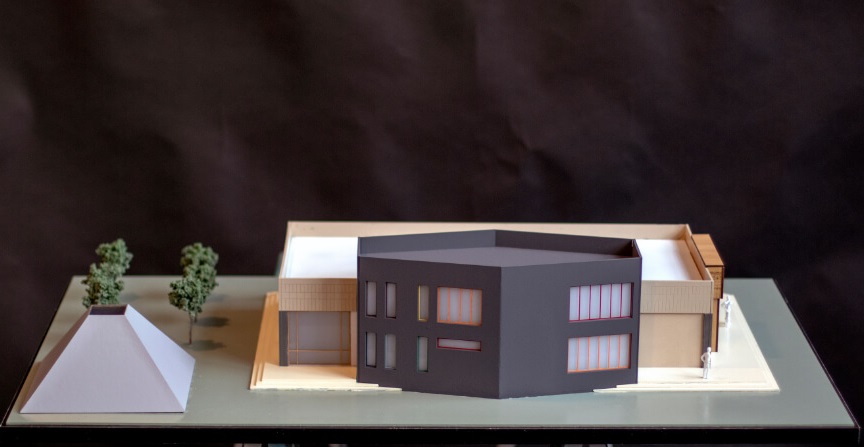
A model of a museum can be an excellent solution to allow students of all ages and beyond to understand the complex history of a country, without having to travel to the respective region. Thanks to these tools, it will be possible to understand countless things, from how various ancient technologies were created and used, to construction and manufacturing methods that were used in different historical periods.
Parks
Parks put special emphasis on nature, outdoor activities and the beauty of the environment. One of the most obvious advantages of parks is their contribution to physical and mental well-being. These green spaces offer an escape from the hustle and bustle of urban life, offering a quiet environment for relaxation and recreation.
Green spaces improve air quality, support biodiversity and help mitigate the effects of climate change. In addition, parks serve as community gathering places, promoting a sense of belonging and social cohesion among the locals.
There are countless famous parks that can be visited, but as in the case of museums, they can be represented by an architectural model to be admired and researched closely.
By using surroundings (trees, benches, plants, historical monuments and so on), this model can be improved and brought to life, faithfully replicating the original park on a smaller scale.
Including museums and parks

Including museums and parks can create a strong connection, amplifying the benefits of both spaces. Some institutions have embraced the idea of establishing their buildings inside or near parks, thus allowing visitors to immerse themselves in cultural experiences, as well as enjoy nature.
The architectural models can be made by incorporating all the elements from the environment, as well as the adjacent buildings, in order to best respect the plan and the general appearance of the place.
Such an attachment can be represented in an amazing way in a model, especially if the right surroundings are used, as well as an LED lighting system, being excellent to better highlight not only the architectural beauty, but also the natural one.
Models for cultural spaces such as museums and parks play an indispensable role in enriching life and stimulating a sense of identity and connection with the past, but also with the environment.
It is essential that these spaces are preserved as well as possible, that’s why architectural models can be the best solution to convey cultural knowledge and natural beauty.


